Connect the symptom to the roof
Note whether the leak follows a long rain, a particular wind direction or water collecting in one area. The room location and any earlier repair help focus the assessment.
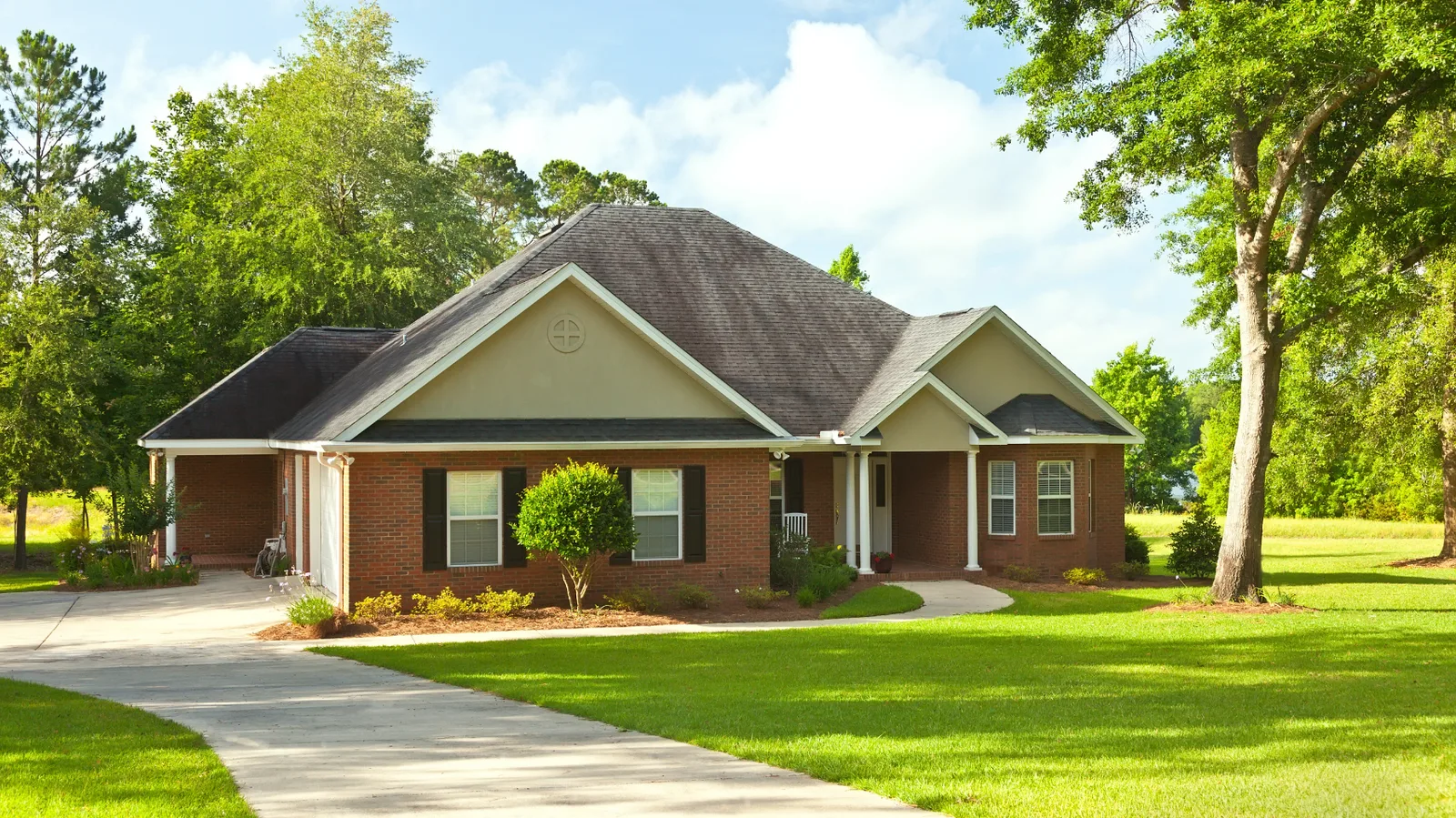
Cave Springs, AR
You should not have to choose between ignoring a leak and replacing a roof that still has useful life. A good repair starts by finding how water gets in, then correcting that detail with material the surrounding roof can support.
The wet patch on a ceiling is not always directly below the opening. Water can follow decking or a rafter before it shows inside. A pipe boot, a wall junction or a missing shingle farther upslope may be the real source.
That distinction changes the work. Sealing a visible spot might quiet a drip temporarily, while rebuilding failed flashing addresses how rain actually enters. Describe when the leak appears, especially if it follows wind-driven rain or happens only during long storms.
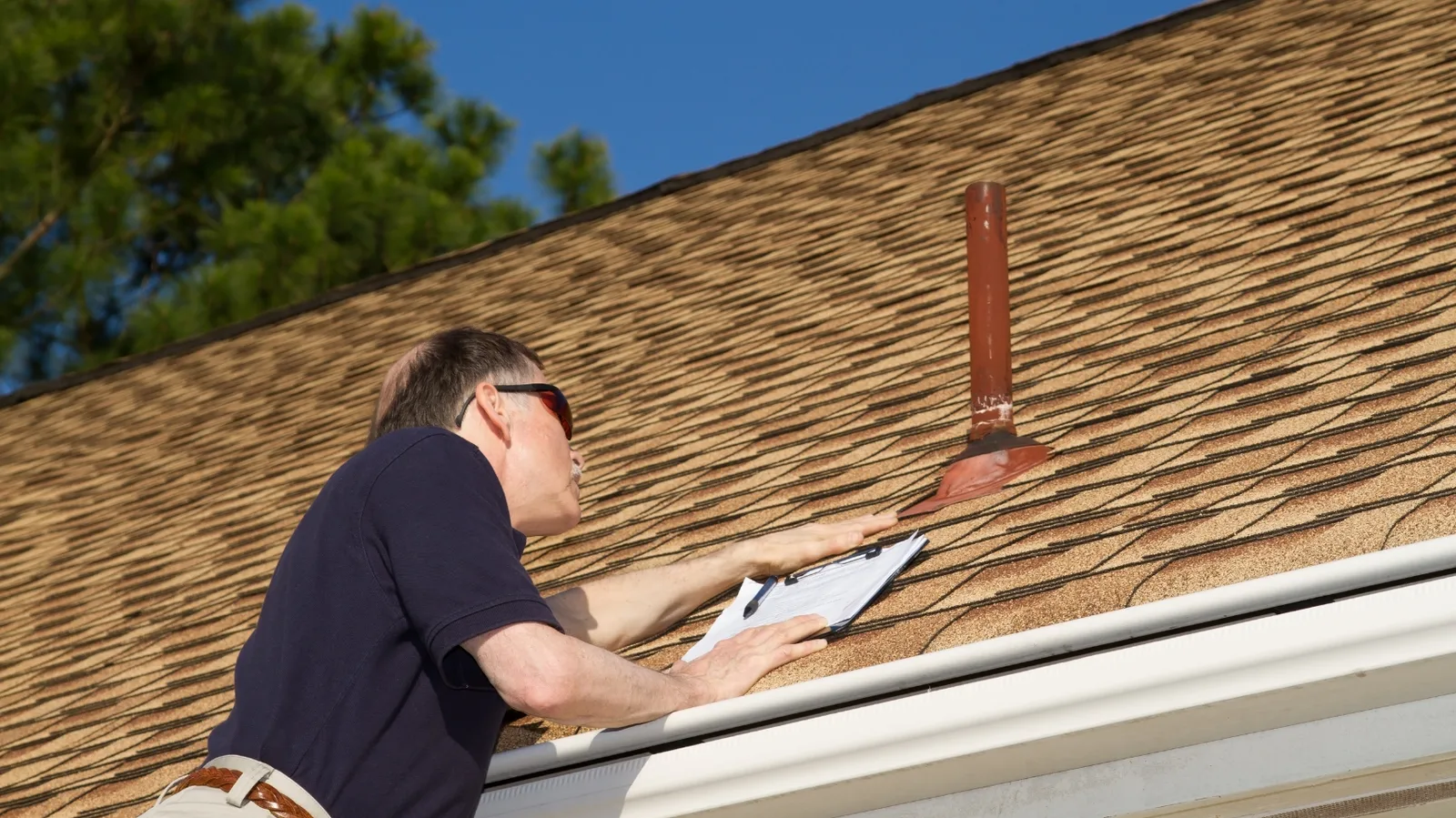
The condition around the defect determines whether new work can tie into the existing roof.
A small damaged area can be replaced when surrounding shingles remain flexible enough to lift and reseal. Matching the available product and exposure matters as much as choosing a similar color.
The repair area may need to extend beyond the visibly missing piece so the new work can be woven into sound courses. A good color match cannot compensate for a poor fit at those overlaps.
A cracked collar around a vent pipe opens a direct water path. Repair may involve replacing the boot and affected shingles rather than relying on a bead of caulk around a split seal.
The flashing base and its connection to the roof matter too. If water has traveled below the boot, the affected underlayment or decking may need attention while that area is open.
Metal flashing has to direct water over the next layer. Loose counterflashing, short step flashing or a failed corner may require opening the area to rebuild that overlap.
A lasting detail depends on the sequence of the metal and roofing layers. The estimate needs to distinguish replacing the failed connection from applying sealant to its exposed edge.
An opening that has leaked for a while can affect the wood underneath. The damaged area needs evaluation so the repair is fastened to sound material, with any concealed-work pricing agreed before it is needed.
The size of an interior stain does not tell you how much wood needs work. Opening a limited area may reveal more, so the repair description should make that possibility and the approval of additional work understandable.
A roof with one isolated defect is a different proposition from brittle shingles splitting across several slopes. Repeated leaks, widespread damage or a surface that cannot be lifted without breaking may make replacement the more durable use of the budget.
Age is part of that conversation, but age alone does not decide it. A recently installed roof can have a bad detail, and an older roof can still have a repairable localized problem. What matters is whether the remaining assembly can support a repair that holds.
Trace it before fixing it
A roof repair earns its value by resolving the cause. The useful sequence follows the water and the surrounding material, rather than stopping at the most obvious mark.
Note whether the leak follows a long rain, a particular wind direction or water collecting in one area. The room location and any earlier repair help focus the assessment.
The entry point, the material around it and the condition underneath determine what needs opening. A small failed part can sometimes affect a larger area below the surface.
The completed repair needs to tie into the remaining roof, with the applicable flashing and water-shedding layers restored. Photos of the work can help you understand a repair that is difficult to see from the ground.
A vent collar on an accessible slope and flashing buried beside a tall wall are not the same job. The most useful price is attached to the actual work required to resolve the problem.
Pitch, height and the ability to lift neighboring shingles change the work. A detail can be small but difficult to reach or restore without disturbing other roofing.
Wet or deteriorated decking and underlayment add a different task from replacing the exposed part. The inspection and any opening of the area establish that extent.
Several failing areas can change the value of another isolated repair. Compare the remaining roof condition with what the proposed work actually preserves, not simply the cost of the last patch.
The repair area is only one part of the price. Access, flashing work, hidden wood damage and the material needed to blend into the roof all matter. An inspection establishes that scope so the proposal can price the work your roof actually needs.
Stay off the roof and away from sagging ceilings or wet electrical fixtures. Move belongings out of the water path if you can do so safely. Active electrical, structural or life-safety hazards need emergency services, not a website request.
Mention the storm date and what changed. The storm damage guide explains how storm evidence and property damage are considered together.
Not always. Existing shingles weather, and an older product or color may no longer be available. The proposed repair should explain the material match and any visible difference before work begins.
Stonebrook Roofing
Tell us where you see water and when it appears. Include any previous repair in the optional project notes.
(479) 333-1430