White membrane roof on a single-story office building with rooftop units

Stonebrook Roofing | Commercial properties

Commercial Roofing in Cave Springs

A roof problem takes time away from running your building. Let's find the right scope for the roof you have, from a focused repair to a planned replacement.

Tell us about your building

Start with the roofing concern at your Cave Springs property.

Roof decisions for the building you operate

You want a dependable roof without throwing away material that still has useful service left. That starts with separating an isolated failure from an assembly that can no longer do its job. A leaking equipment curb on an otherwise sound roof calls for a different conversation than moisture spread through the insulation.

For an office, shop, warehouse or leased property, the roof decision also has a business side. A repair may address a contained problem while keeping a larger capital project off the immediate schedule. Broader work earns its place when it corrects deterioration, drainage or attachment problems that another surface patch would leave behind.

You don't need to know the membrane name before getting started. Tell Stonebrook Roofing what is happening at your Cave Springs building, and whether the concern is an active leak, an aging surface or planning for future work.
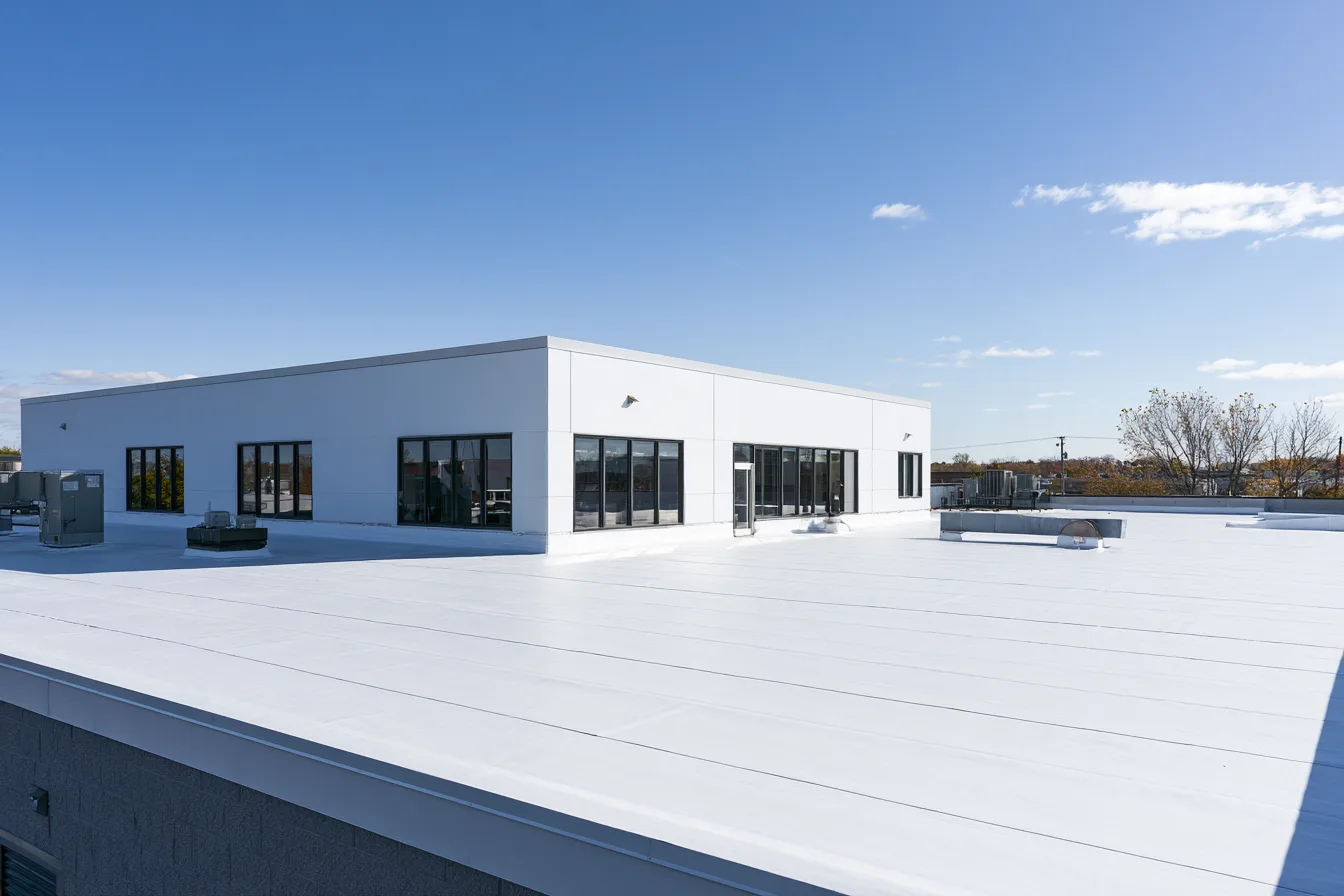
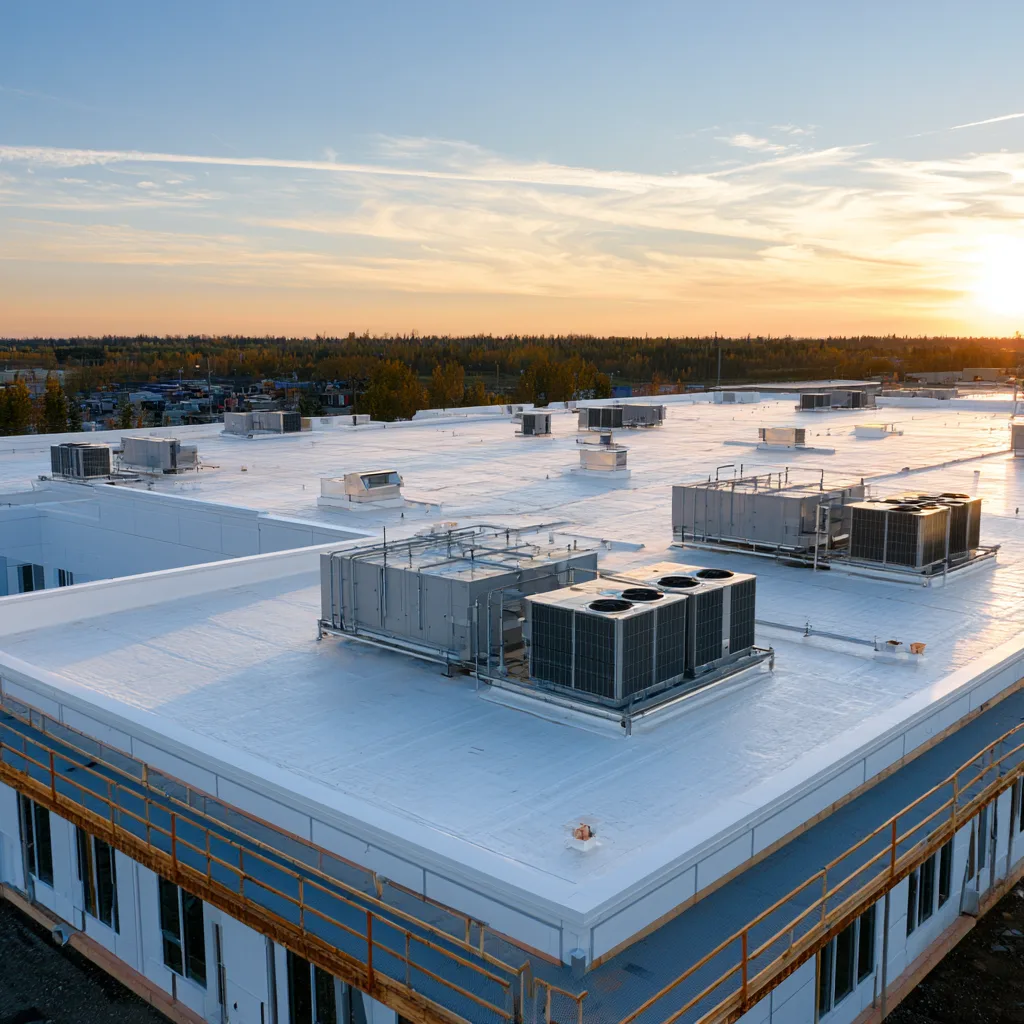
Rooftop HVAC equipment on a white commercial roof at sunset

Commercial roof systems and services

Start with the roof that is there and the problem you want to solve. A membrane replacement, a coating and a repair have different starting conditions. The system pages below explain those differences.

Sheet roofing

TPO membranes

TPO joins sheets with welded seams and uses separate details around curbs, drains and edges. It can be part of a new assembly or work on a suitable existing roof. The useful comparison includes insulation, attachment and drainage, not just the membrane thickness.

See the TPO options

Roof restoration

Compatible coating systems

A coating renews a suitable surface after cleaning, repairs and preparation. Its value comes from keeping usable roofing underneath. Moisture, loose material and incompatible old repairs need to be resolved before a restoration system can do its job.

Understand coating suitability

Waterproofing and drainage

Low-slope roof repairs

A leak near an air-conditioning unit can be a flashing problem even when the field membrane is sound. Standing water may point to a different scope. Establishing the water path keeps a contained repair from becoming either unnecessary replacement or another short-lived patch.

Read about flat roof repairs

Buildings with pitched roofs

Metal and mixed roof areas

Commercial use does not determine roof slope. A shop or office may combine metal panels with a lower membrane roof. Each area needs a compatible system, and the junction between them needs as much attention as the open roof surface.

Explore metal roofing

Repair, restore, recover or replace

These are different scopes of work. The condition of the existing roof determines which ones deserve a place in the discussion; the lowest initial price cannot make an unsuitable assembly sound.

Repair, restore, recover or replace
ApproachWhat the work addressesWhat changes the decision
RepairCorrect a defined defect, such as a damaged membrane area or failed flashing, while retaining the surrounding roof.The surrounding material must accept a compatible repair. Wider moisture or deterioration can make a small surface fix incomplete.
Restore with a coatingPrepare and repair a suitable surface, then apply the specified liquid coating system.The substrate needs to be sound, suitably dry and able to hold the coating. Wet areas and failed details need their own corrective work.
Recover with a new roof layerInstall an approved new roofing assembly over a suitable existing assembly.Existing layers, structural capacity, moisture, attachment and applicable requirements must permit the proposed assembly.
Remove and replaceRemove the roofing needed to reach a sound base and install the replacement assembly.This brings hidden wet or deteriorated materials into the work and can allow insulation and drainage changes that a surface treatment cannot accomplish.

Suitability is established for the individual roof. These choices are not interchangeable price tiers.

Compare the complete scope

What a complete commercial roofing proposal covers

Before choosing a price, establish what that price leaves in place, what it removes and how the new work connects to the building. A clear scope makes those decisions visible.

For regional pricing and the work behind it, read the TPO roofing cost discussion.

What stays and what comes off

A repair keeps most of the roof; a recover adds an assembly over a suitable base; replacement removes layers to reach the required substrate. The moisture findings help explain the choice. Any allowance for concealed damage needs a stated method rather than disappearing inside a broad replacement total.

The insulation and drainage work

The covering cannot correct every problem below it. Wet or deteriorated insulation needs its own decision, and persistent low areas may need a drainage change. Establish whether the price includes only the membrane or also the insulation, tapered work and drain details needed for the proposed roof.

The selected roof assembly

Look for the actual system and how it will be attached. The membrane, adhesive or fasteners, insulation and supporting deck must work together. A cheaper assembly may be a reasonable option; it still needs to be described clearly enough to compare with the other proposal.

Details around equipment and edges

A rooftop unit, wall, pipe or hatch creates a separate waterproofing connection. Those details can account for substantial work on a small roof. Identify repairs to curbs, flashing and edge metal, plus any equipment work that falls to another trade.

Access and the work below the roof

A public entrance, office and stockroom do not have the same needs during construction. Plan where deliveries and debris will go, which rooms lie below each phase and whether equipment shutdowns are involved. Noise and temporary restrictions belong in the project discussion before the affected work begins.

The records that stay with the building

The completed roof should be understandable after the job is over. Keep the approved scope, changes, product information and applicable warranty terms together. Clear records help the next maintenance visit start with what was installed and where, instead of another round of guesswork.

From concern to decision

Move from the roof findings to a project decision

You do not need the roof specifications in hand to start. The address, the concern and how the building is used give the discussion a practical starting point.

Start with the building

Describe the leak or future project, the roof type if known and any temporary repair. Include the room or equipment affected below.

Understand the roof findings

A useful assessment distinguishes the entry point, the affected layers and the sound material that can remain. Ask for an explanation you can connect to the property.

Decide with the whole scope

Compare the roofing work, expected interruptions and written terms together. An active leak and a future replacement budget can lead to different next steps.

Commercial roofing questions

Can a leaking commercial roof be repaired without replacing it?

Yes, when the defect is localized and the surrounding roofing remains suitable for repair. The important distinction is whether the leak comes from a repairable detail or is part of broader deterioration. Moisture beneath the surface also affects how much material needs to be removed.

Is a coating the same thing as a new TPO roof?

No. A coating is a liquid-applied system that relies on the existing roof beneath it. TPO is a sheet membrane installed as part of a roof assembly. The roof coating page explains restoration suitability, while TPO roofing covers membrane seams and assembly choices.

Does every commercial building in Cave Springs need a flat roof system?

No. Commercial describes how a property is used, not the slope of its roof. A steep-slope building may use shingles or metal; a low-slope section needs a system suited to that slope. A building with both needs careful treatment where the two roof areas meet.

Can the business stay open during roof work?

That depends on the method, access and the activities inside. Some projects can be organized around occupied areas, while others require restricted access or temporary changes to building use. The operating plan belongs with the proposed roofing scope, before dates are committed.

Why does water keep returning after a flat roof repair?

The entry point may be elsewhere, another detail may have failed, or a drainage problem may still be holding water in that area. Repeating the same patch does not resolve those different causes. Flat roof drainage and repair explains how the water path changes the work.

What should I budget for a commercial TPO roof in Cave Springs?

A useful starting point is a regional installed range tied to the actual kind of work. Simple work with no tear-off and a replacement involving old roof removal, insulation and equipment are different projects. Our TPO roofing page gives the source-attributed Northwest Arkansas range and explains that distinction.

Stonebrook Roofing

Make the next roof decision fit your building

An active leak and a future replacement budget deserve different starting points. Tell us which concern brings you here, and share whatever you know about the roof.

(479) 333-1430

Tell us about your building

Start with the roofing concern at your Cave Springs property.

Call (479) 333-1430Request roofing help